

How to File Taxes Jointly for the First Time
As newlyweds, you have two primary options when filing your federal income taxes: Married Filing Jointly or Married Filing Separately. Filing jointly often provides more tax benefits, but filing separately may make sense depending on your finances, student loans or other circumstances.
1. Married Filing Jointly (MFJ). This tax option is very beneficial to couples, particularly couples who have a large discrepancy in incomes. The benefits of MFJ:
A larger standard deduction. For the 2025 tax year, the standard deduction is $31,500 for couples filing jointly, compared with $15,750 for each spouse filing separately.
Potentially lower overall taxes. Married couples may benefit from more favorable tax brackets, particularly when one spouse earns considerably more than the other.
More tax credits and deductions. Joint filing generally has access to education credits, the student loan interest deduction and certain other tax benefits that are unavailable or restricted when filing separately.
Simpler tax preparation. Couples generally file one return rather than two, which can reduce preparation time and fees.
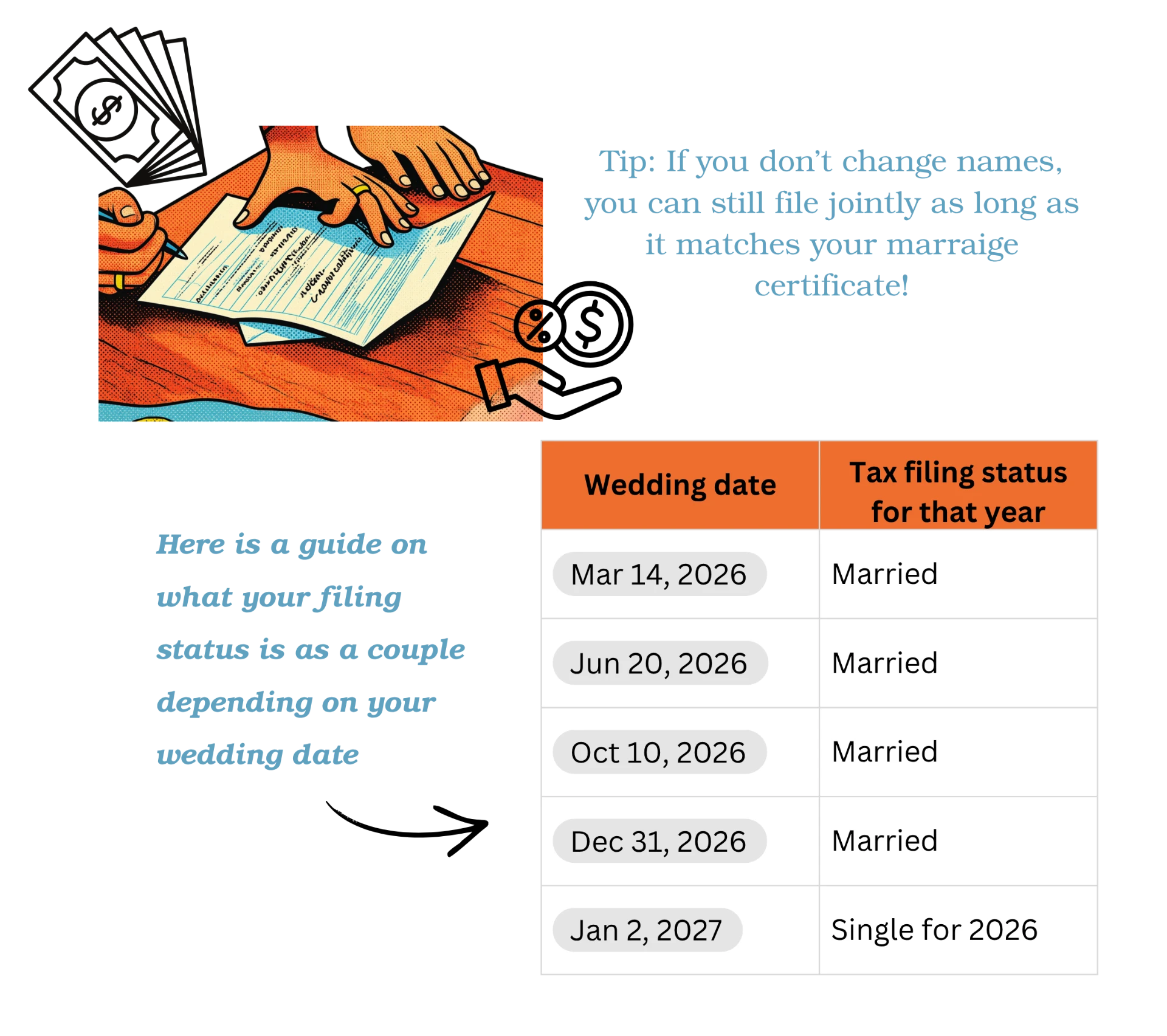
2. Married Filing Separately (MFS). Each spouse files an individual federal tax return while remaining legally married. Each reports their own income and applicable deductions, subject to IRS rules. This way of filing may be beneficial depending on the couple's individual financial situation.
The benefits of Married Filing Separately: this version of filing can be helpful but sometimes can result in a higher combined tax bill. Key benefits include:
Separate tax responsibility. Each spouse is generally responsible for the tax reported on their own return, rather than being jointly responsible for the couple's entire tax bill.
Financial independence. Couples who maintain separate finances may prefer to file separately, especially if they have concerns about the accuracy of the other spouse's tax reporting.
Potential medical expense deductions. If one spouse has substantial unreimbursed medical expenses, filing separately may make it easier to meet the threshold for deducting those expenses because the deduction is based on adjusted gross income.
Student loan considerations. Some borrowers with federal income-driven student loan repayment plans may benefit from filing separately because their payment calculations may exclude a spouse's income, depending on the plan.
3. There is also a third filing status worth knowing about: Head of Household. In limited circumstances, a married person who lives apart from their spouse and meets specific IRS requirements may qualify. It generally does not apply to couples living together. Special circumstances only, so consult your tax professional.